
Common Marmosets
About Common Marmosets
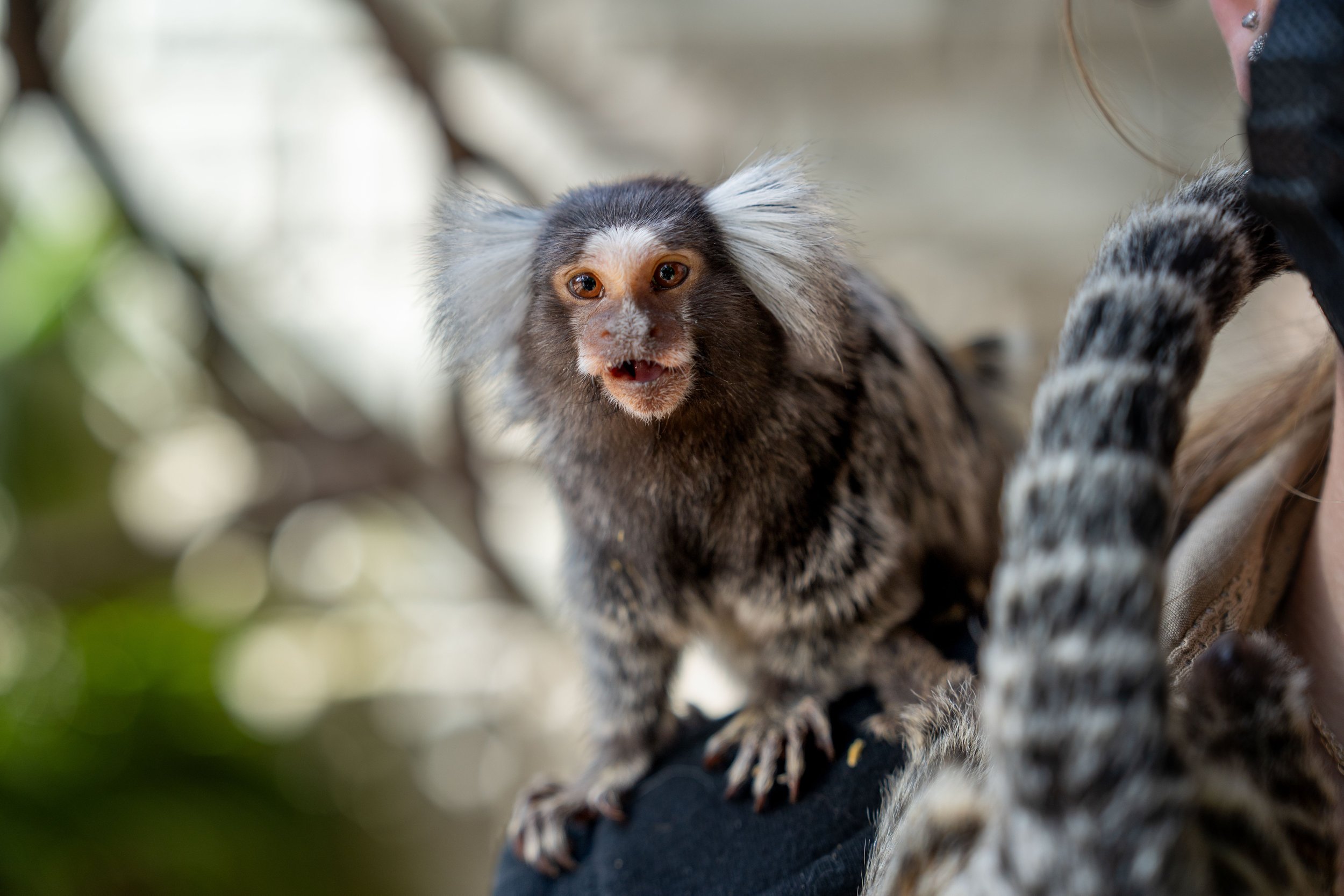
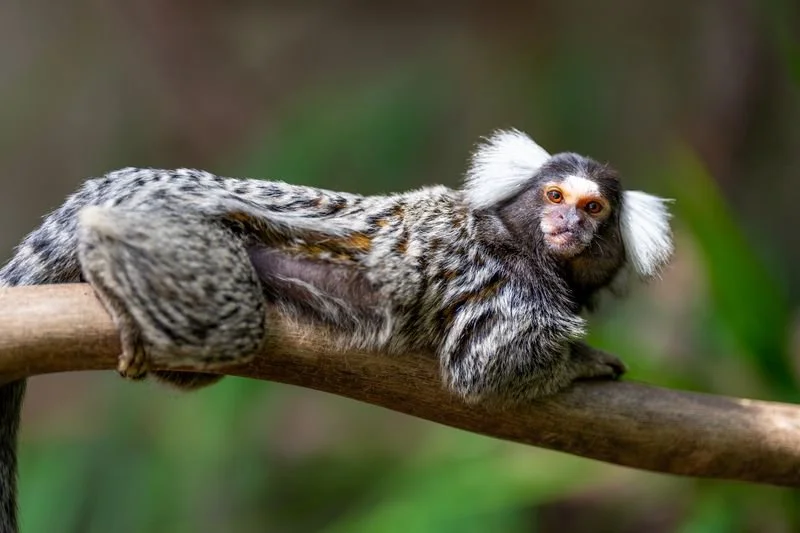
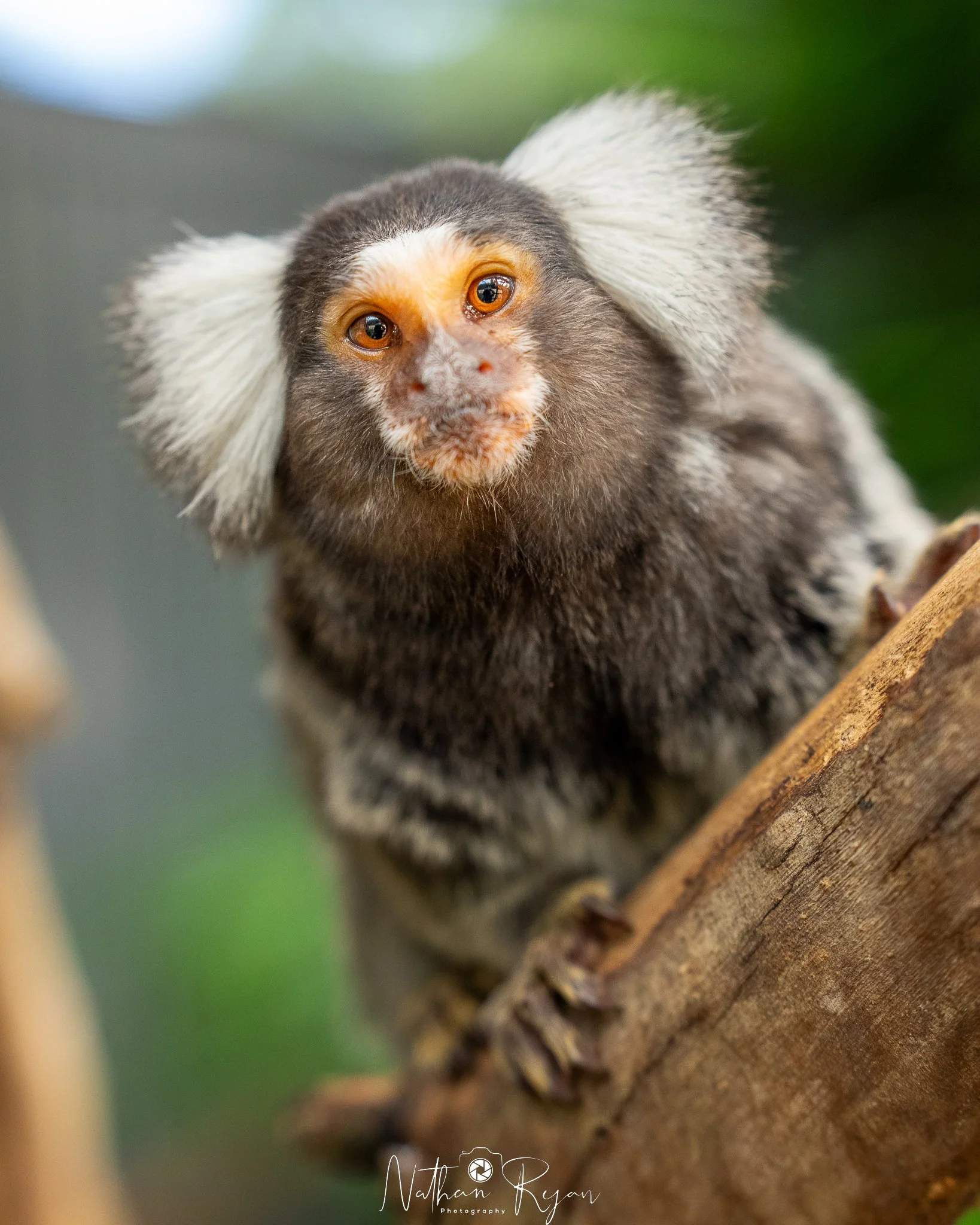
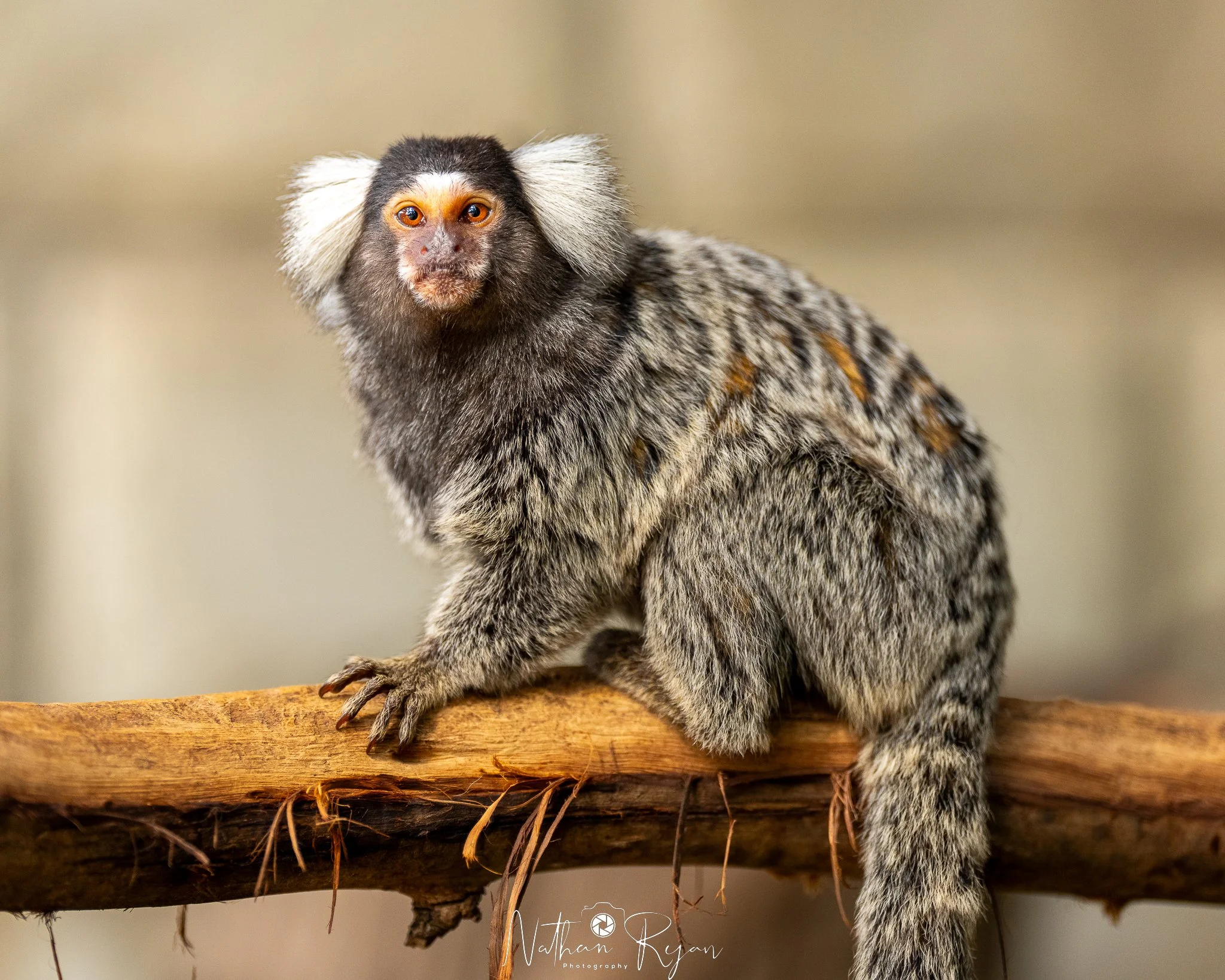
Common marmosets are small, long-tailed monkeys that live in the treetops and canopy of Northeast Brazil.
They have specialised claws rather than fingernails, which allows them to have a firm grip on bark and climb up tree trunks and branches quickly and with ease.
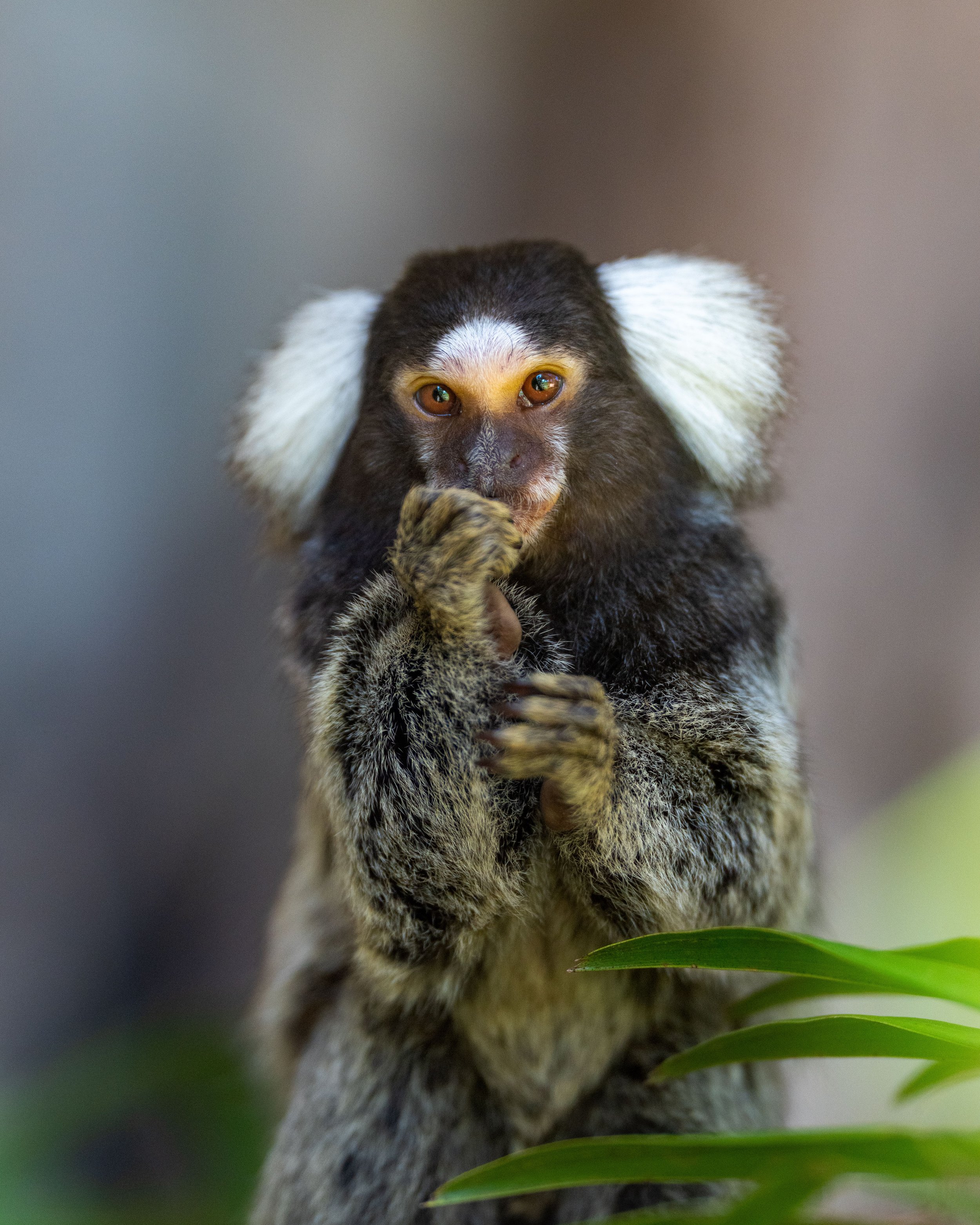
Marmosets are omnivorous and eat insects, frogs, lizards, spiders, leaves, flowers and fruit. Their favourite food is tree sap/gum. They use their sharp, short, lower canines to punch holes in tree bark, which continuously bleed sap. They maintain these ‘sap taps’ in a primitive kind of harvesting.
Family Groups & Behaviour
In the wild, they live in small mixed-sex groups with an average size of 8 to 12 individuals. Only the head male and female will produce offspring. It is common for them to give birth to twins. Fathers actively help to give birth to their young, biting through the umbilical cord and ensuring the young attach to the mothers.
Our Marmosets live at our sanctuary near Sydney, where ethical primate care and enrichment support their natural behaviours
The marmoset is a highly adaptable primate. Because of this, it has not been affected by human changes in its environment, which gives it a "Least Concern" conservation status. In captivity, it can live up to 16 years.
Conservation Status
Marmoset Encounter
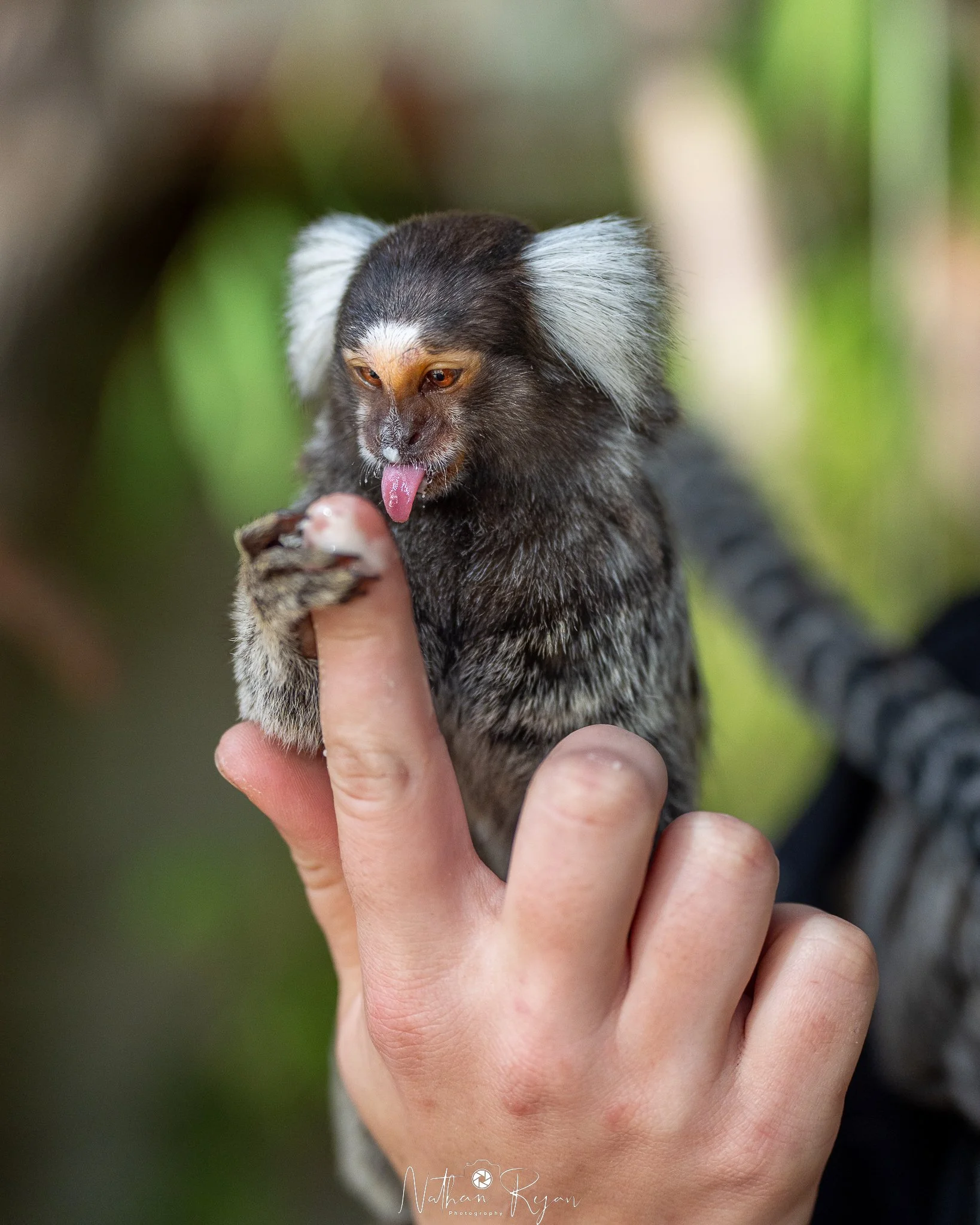
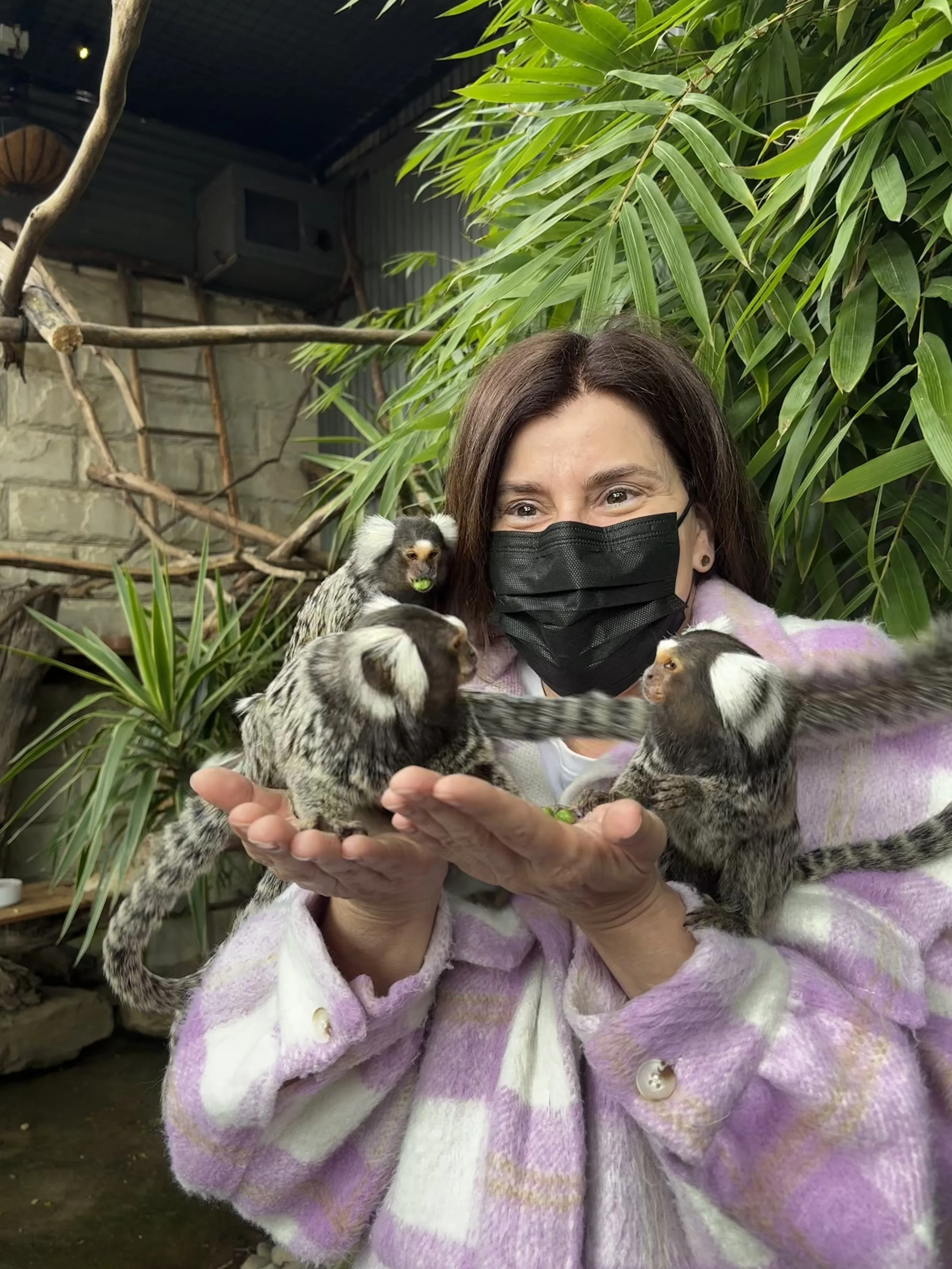
Our Marmoset Encounter offers guests the chance to feed the marmosets some of their favourite snacks and observe their playful, inquisitive nature.
Guided by our keepers, this experience provides insight into their care, natural behaviours, and family dynamics, all while ensuring their comfort and welfare.
Support Our Primates
Support the Animals in Our Care
If you’d prefer to give directly, your donation helps provide food, enrichment, and veterinary care for the animals in our care.
Book Your ZAMBI Experience + Marmoset Encounter
Select your preferred date to check availability and request your visit.
We are not open to the public for general admission. All visits must be pre‑booked.